 English
 Chinese
 Mongol

Redefining the construction industry with innovative solutions, cuttin-edge technology and sustainable practices
Redefining the construction industry with innovative solutions, cuttin-edge technology and sustainable practices
Profile Bending 2026-10-29
Metal bending is one of the most widely used processes in modern metal fabrication. From automotive components and industrial machinery to architectural structures and custom sheet metal products, bending allows manufacturers to transform flat sheets, plates, tubes, and metal profiles into functional shapes without removing material. Professional metal bending services help businesses achieve accurate dimensions, consistent quality, and cost-effective production for projects of different sizes and complexities.
Understanding the available bending processes, material characteristics, and industrial applications can help buyers select the right fabrication partner and achieve better results. This guide explores the fundamentals of metal bending, common techniques, material considerations, key benefits, and factors to evaluate when choosing a metal bending service provider.
1. What Is Metal Bending?
Metal bending is a metal fabrication process that uses controlled force to deform a metal workpiece into a desired angle, curve, or shape. The process generally involves applying force beyond the material's elastic limit, allowing it to retain its new shape after the load is removed.
Unlike cutting or drilling, bending typically changes the geometry of a workpiece without significantly reducing its overall material volume. This makes it an efficient solution for producing brackets, enclosures, frames, panels, pipes, structural components, and many other products.
Professional metal bending services may include material selection, engineering consultation, CNC programming, precision forming, inspection, and additional fabrication operations. Depending on project requirements, suppliers can process individual prototypes, small production runs, or large-volume orders.
The final result depends on several factors, including material thickness, tensile strength, ductility, bend radius, tooling design, machine capability, and dimensional tolerances.
2. Common Metal Bending Processes
Different bending methods are suitable for different materials, geometries, and production requirements. Choosing the appropriate process is essential for achieving accurate results while controlling manufacturing costs.
Press Brake Bending
Press brake bending is one of the most common methods used for sheet metal fabrication. A press brake uses a punch and die to apply force to a metal sheet, forming a bend along a straight line.
Modern CNC press brakes allow operators to program bending angles, back-gauge positions, and sequences, helping improve repeatability and production efficiency.
This process is commonly used to manufacture electrical enclosures, machine covers, metal cabinets, mounting brackets, panels, and industrial equipment housings.
Press brake bending is particularly suitable for projects requiring precise angles, repeatable dimensions, and multiple bends in a single component. However, part geometry, tool selection, and machine capacity must be considered during design.
Roll Bending
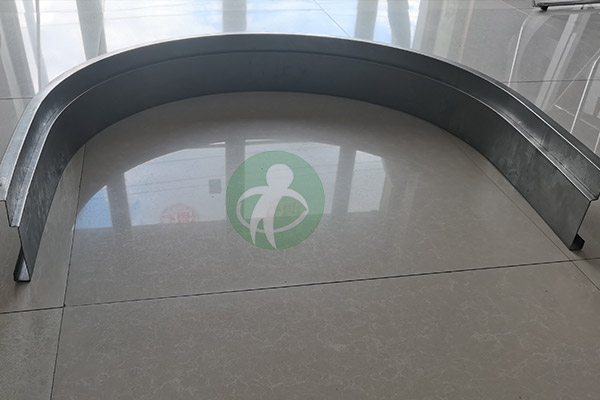
Roll bending uses a series of rollers to gradually form metal into a curved shape. By adjusting the roller positions and applying controlled pressure, manufacturers can produce large-radius curves, cylindrical sections, and curved profiles.
This process is commonly used for architectural structures, tanks, pressure vessel components, curved panels, metal rings, and industrial frames.
Compared with conventional press brake bending, roll bending is better suited to continuous curves and larger-radius forming. It may require multiple passes to achieve the desired curvature, particularly when working with thick or high-strength materials.
Tube and Pipe Bending
Tube and pipe bending is used to create curved sections in hollow metal components. Depending on the application, manufacturers may use rotary draw bending, mandrel bending, roll bending, or other specialized methods.
Tube bending is widely applied in automotive exhaust systems, handrails, furniture frames, industrial piping, heat exchangers, and hydraulic systems.
Because tubes and pipes are hollow, they can be susceptible to flattening, wrinkling, or wall thinning during bending. Selecting the correct bend radius, tooling, and process parameters helps preserve the cross-sectional shape and structural integrity.
For applications requiring tight bends or strict dimensional tolerances, specialized tooling and careful process control may be necessary.
Air Bending, Bottoming, and Coining
In press brake operations, several forming techniques can be used depending on the required accuracy and material properties.
- Air bending: The sheet contacts the punch and die at selected points without fully conforming to the die profile. It offers flexibility and requires relatively low forming force.
- Bottoming: The material is pressed more closely into the die profile to achieve a more defined bend.
- Coining: Higher pressure is applied to force the material into the tooling profile, creating a highly defined bend under suitable conditions.
Each method has different tooling, force, accuracy, and springback characteristics. The best option depends on the material, bend geometry, equipment, and production requirements.
3. Materials Commonly Used in Metal Bending
Material selection is a critical part of any metal bending project. Different metals respond differently to forming forces, and their mechanical properties influence bend radius, springback, cracking risk, and achievable tolerances.
Carbon Steel
Carbon steel is widely used in metal fabrication because of its strength, availability, and versatility. It is commonly bent into brackets, frames, machinery components, structural supports, and general industrial products.
Its bending performance depends on the specific grade, thickness, and mechanical properties. Suitable tooling and bend-radius selection help reduce the risk of cracking and excessive deformation.
Stainless Steel
Stainless steel is valued for its corrosion resistance, durability, and appearance. It is commonly used in food-processing equipment, medical equipment, architectural products, commercial kitchens, and industrial enclosures.
Some stainless steel grades exhibit greater springback and work hardening than mild steel. Manufacturers may need to adjust bending parameters and tooling to achieve the desired angle and surface quality.
Protective handling is also important when visible surfaces must remain free from scratches, dents, or contamination.
Aluminum
Aluminum is lightweight and widely used in transportation, electronics, aerospace-related applications, construction, and consumer products.
Its formability varies considerably by alloy and temper. Some aluminum grades can be bent easily, while higher-strength or less ductile grades may require larger bend radii or more careful process planning.
Selecting the correct alloy and temper before fabrication can help prevent cracking and ensure the finished component meets its design requirements.
Copper and Brass
Copper and brass are used in electrical components, decorative products, plumbing fittings, heat-transfer equipment, and specialized industrial parts.
Their bending characteristics vary by alloy and temper. Because surface appearance and dimensional accuracy can be important, the process may require appropriate tooling, protective materials, and careful handling.
Other Engineering Materials
Depending on the supplier's capabilities, metal bending services may also support specialized alloys and other engineering metals. For demanding applications, material certification, traceability, and verification of mechanical properties may be necessary.
Before production begins, buyers should confirm that the selected material is compatible with the intended bending method and service environment.
4. Key Factors That Affect Metal Bending Quality
Achieving a consistent bend involves more than simply applying force to a metal workpiece. Several technical factors influence the finished component.
Material Thickness and Strength
Thicker or higher-strength materials generally require greater forming force. They may also need larger bend radii and more robust tooling. The bending machine must have sufficient capacity for the material, length, and geometry involved.
Bend Radius
The inside bend radius affects stress distribution and the likelihood of cracking. If the radius is too small for a particular material and thickness, the outer surface may experience excessive strain.
Designers should establish an appropriate bend radius based on the material grade, thickness, forming direction, and application requirements.
Springback
Springback occurs when a metal component partially returns toward its original shape after the bending force is removed. The amount depends on factors such as material properties, thickness, bend radius, and forming method.
CNC bending systems can compensate for springback through process adjustments and programmed overbending, but initial trials may still be necessary for demanding parts.
Bend Allowance and Dimensional Accuracy
During bending, the material stretches and compresses around the bend area. Therefore, flat-pattern dimensions cannot always be calculated by simply adding the finished side lengths.
Bend allowance, bend deduction, and the K-factor are commonly used in sheet metal design to estimate developed dimensions. Accurate calculations and appropriate process validation help ensure that finished components fit correctly during assembly.
Surface Protection
Scratches, tool marks, dents, and other surface defects can affect both appearance and function. For stainless steel, aluminum, and decorative metal products, protective films, suitable tooling, and careful material handling can help maintain surface quality.
5. Applications of Metal Bending Services
Metal bending supports a wide range of industries because it can produce both simple and complex components with relatively efficient material use.
Automotive and Transportation: Bent metal parts are used in brackets, frames, exhaust components, support structures, and vehicle body assemblies. Consistency is important when components must fit accurately during assembly.
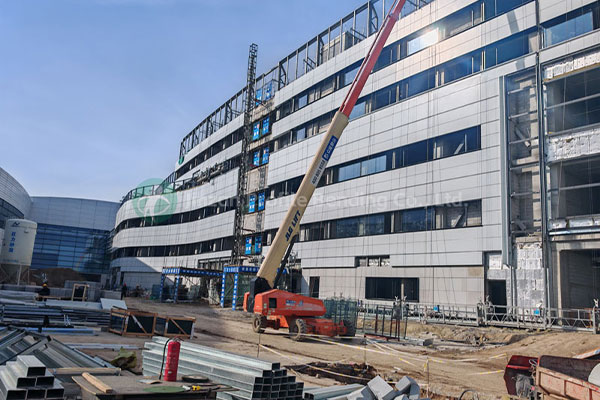
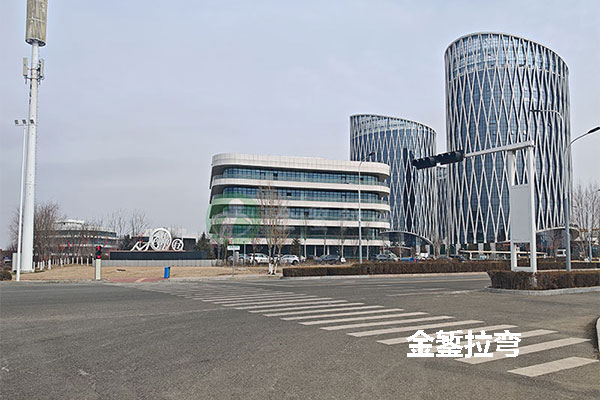
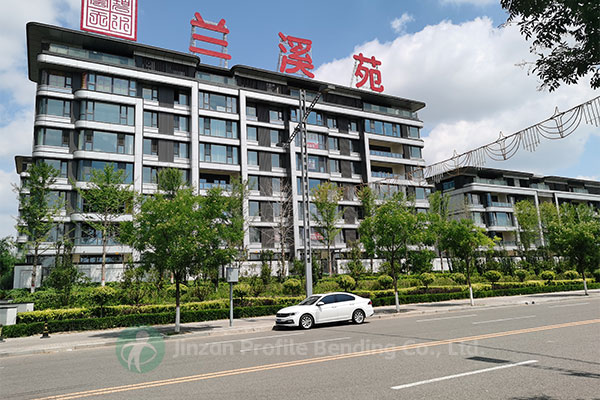
Construction and Architecture: Metal bending is used for handrails, structural supports, facade components, roofing details, decorative panels, and custom architectural features. The required process depends on the material, geometry, and environmental exposure.
Industrial Machinery: Equipment manufacturers rely on bent sheet metal for machine guards, control cabinets, mounting plates, protective covers, and structural housings.
Electrical and Electronics: Enclosures, chassis, brackets, and equipment panels often require precise bends to accommodate internal components and mounting points.
Furniture and Interior Design: Steel, aluminum, and other metals can be bent into furniture frames, shelving systems, display stands, and decorative structures.
Energy and Industrial Infrastructure: Depending on design and material requirements, bending may be used for pipework, supports, equipment frames, and components in energy and processing facilities.
Across these applications, the correct bending process helps manufacturers balance structural performance, dimensional accuracy, appearance, and production efficiency.
6. Benefits of Professional Metal Bending Services
Working with an experienced metal fabrication provider can offer several practical advantages.
First, specialized machinery and tooling help produce consistent bends across repeated production runs. CNC equipment can improve repeatability and reduce manual adjustments for suitable components.
Second, professional process planning can reduce material waste. By reviewing part geometry, flat-pattern dimensions, bend sequences, and tooling requirements before production, manufacturers can identify potential problems earlier.
Third, outsourcing bending operations can help businesses avoid the cost of purchasing, maintaining, and operating specialized equipment when their production volumes do not justify an in-house setup.
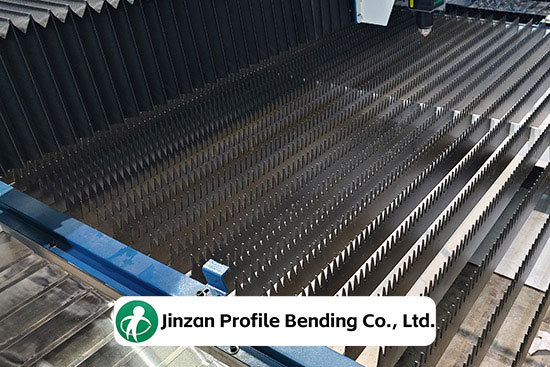
Fourth, an integrated fabrication supplier may provide additional services such as laser cutting, punching, welding, machining, finishing, and assembly. Combining compatible operations through one supplier can simplify coordination and reduce handling between production stages.
The actual benefits depend on order volume, part complexity, supplier capabilities, quality requirements, and the overall production plan.
7. How to Choose the Right Metal Bending Service Provider
Selecting a suitable supplier is essential for controlling quality, lead time, and total project cost. Buyers should evaluate more than the quoted unit price.
Check Equipment and Technical Capabilities
Confirm that the supplier has the appropriate machines, tooling, and capacity for the material thickness, component dimensions, bend angles, and production volume required.
For complex parts, ask whether the supplier can review engineering drawings, recommend design adjustments, and validate the bending process before full production.
Review Quality Control Procedures
Ask how the supplier checks bend angles, dimensions, surface conditions, and repeatability. Depending on the application, inspection may include dimensional measurements, first-article verification, material traceability, and documented quality records.
If a project requires specific quality certifications or inspection documentation, verify that the supplier can meet those requirements.
Evaluate Communication and Delivery
Clear communication helps prevent errors involving drawings, revisions, material specifications, and delivery schedules. A reliable supplier should confirm technical requirements before production and communicate potential issues promptly.
For urgent projects, clarify material availability, tooling lead times, production capacity, and shipping arrangements.
Compare Total Cost Rather Than Price Alone
Metal bending costs can be influenced by material type, thickness, part geometry, bend count, tooling, setup time, order quantity, inspection requirements, finishing, and packaging.
A lower quotation may exclude important operations or assume different tolerances. Buyers should compare quotations on an equivalent scope of work, including material specifications, tolerances, finishing, and delivery terms.
8. How to Prepare for a Metal Bending Project
Providing complete technical information at the quotation stage can help a metal bending supplier evaluate feasibility and provide a more accurate estimate.
Whenever possible, prepare the following:
- Engineering drawings or CAD files with dimensions and tolerances.
- Material grade, thickness, and surface finish requirements.
- Bend angles, inside radii, and any critical dimensional requirements.
- Required quantity, prototype needs, and expected production volume.
- Inspection, certification, packaging, and delivery requirements.
- Information about the component's intended application and operating environment.
It is also useful to identify critical features early. For example, a component that must fit into a tightly controlled assembly may require stricter dimensional verification than a decorative part with more flexible tolerances.
For complex designs, a prototype or first-article inspection can help verify the bending approach before larger quantities are produced.
Metal bending services play an essential role in modern manufacturing, enabling businesses to transform metal sheets, plates, tubes, and profiles into functional components for a wide range of industries. By understanding the available bending processes, selecting suitable materials, and accounting for factors such as bend radius, springback, and dimensional tolerances, buyers can make better fabrication decisions.
When choosing a metal bending service provider, consider technical capability, quality control, communication, production capacity, and total project cost. Clear drawings and well-defined specifications can further reduce manufacturing risks and improve consistency.